A person can become estranged from themselves even within the life they believe to be their own. Just as they begin to believe that they have built themselves and made their choices of their own free will, they encounter the boundaries of a world that was already constructed long before them. An individual’s life is never entirely individual. Family, society, culture, economic circumstances, the state, and the technological world in which we live all shape the way we relate to ourselves.
As we grow older, we begin to lose our sense of scale.
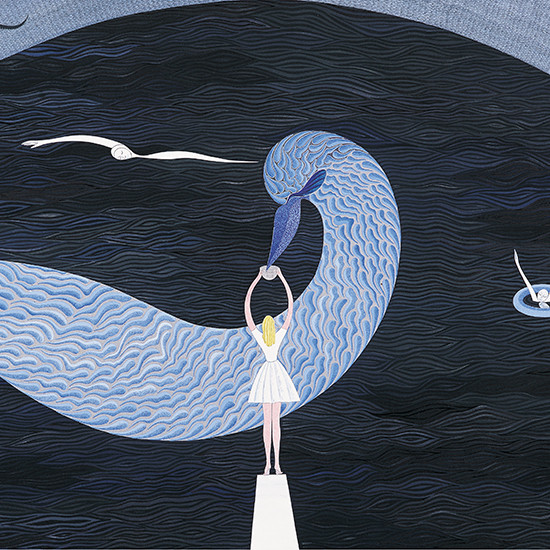
In childhood, the distance between the world and the self is different. A cloud can travel from one end of the world to the other, a tree can remain rooted in the same place, and a shadow can move together with the body that casts it. Growing up makes another reality behind these images visible: we live in a constant tension between belonging and movement, between putting down roots and drifting, between being ourselves and the forms imposed upon us.
The modern individual experiences this tension through the idea of freedom. Being yourself, fulfilling your potential, improving yourself, and taking responsibility for your own life are all presented as forms of freedom. Yet this call to freedom can also become a system that compels the individual to constantly reproduce and reinvent themselves. Being visible, expressing oneself, producing, changing, and continually redefining who one is can become obligations in themselves. In this way, the individual is reshaped within the very means they turn to in order to liberate themselves.
At this point, the boundary between the personal and the societal begins to blur.
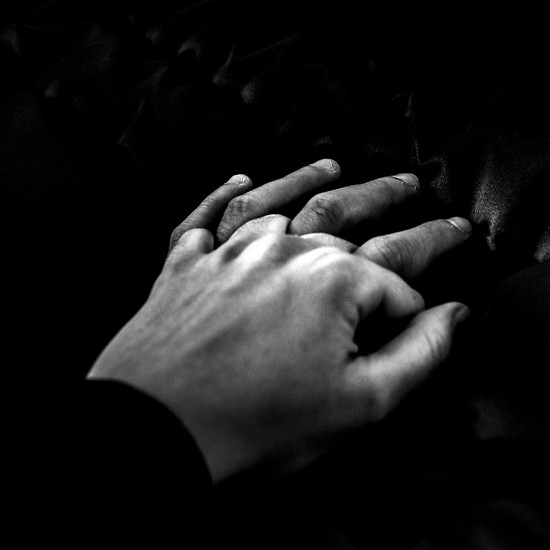
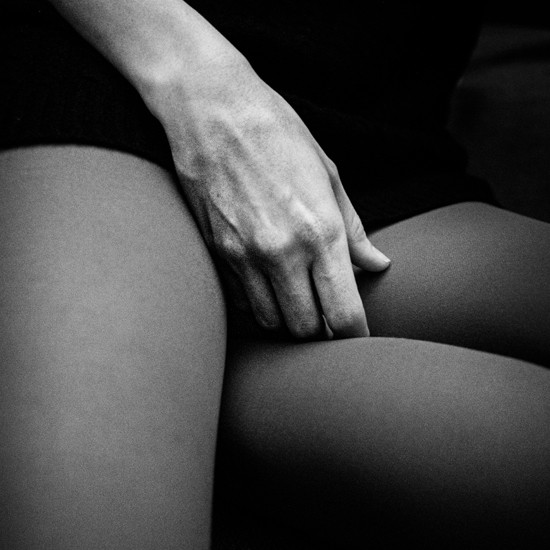
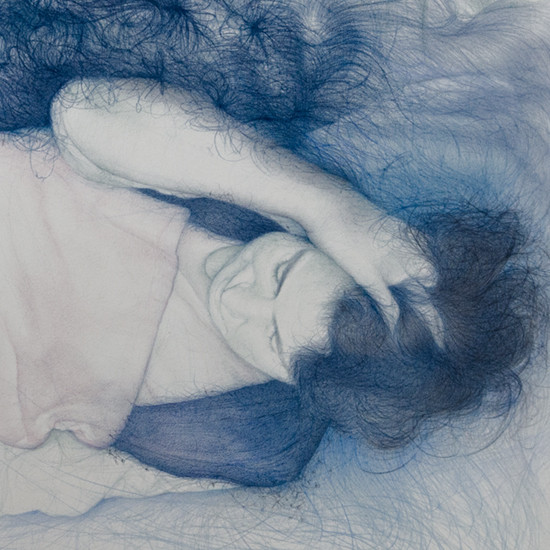
The body is one of the most visible surfaces of this boundary. It is not merely a vessel for individual existence; it also carries memory, desire, fear, social expectations, and the marks of external intervention. The impact of the world on us is often felt in the body before it takes shape in our thoughts. It becomes visible in the way a body stands, withdraws, conceals itself, moves, or remains still.
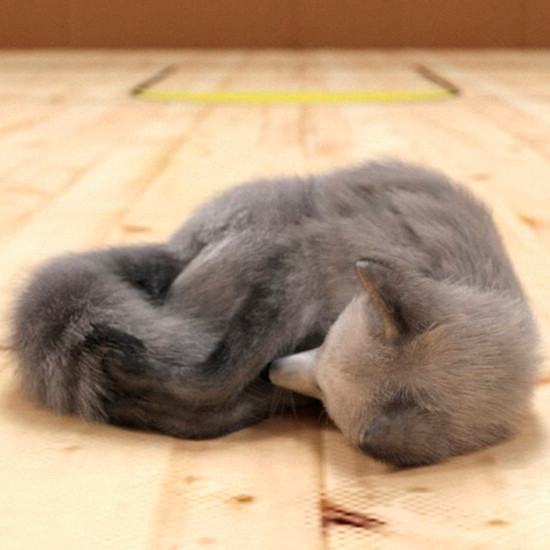
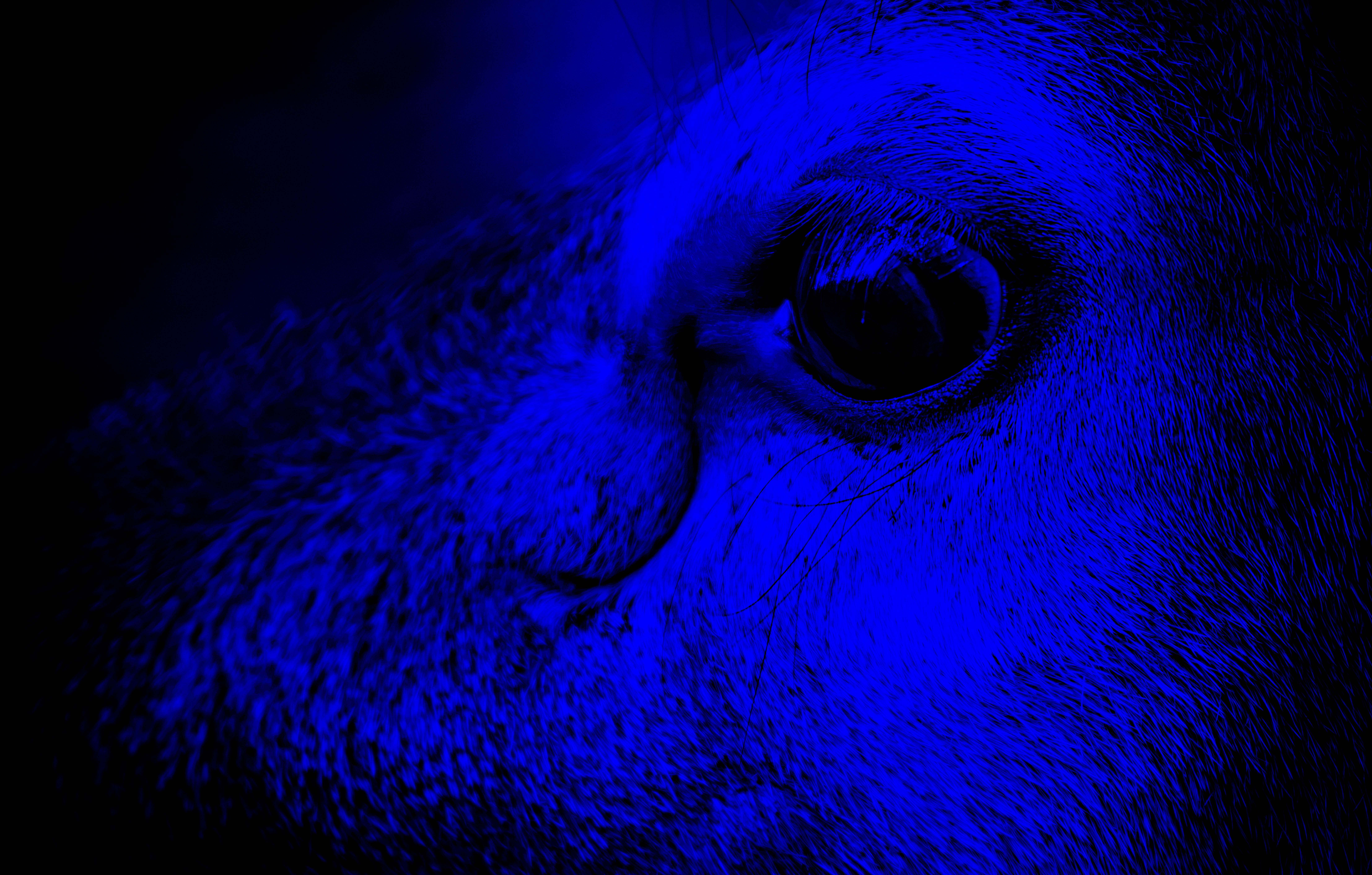
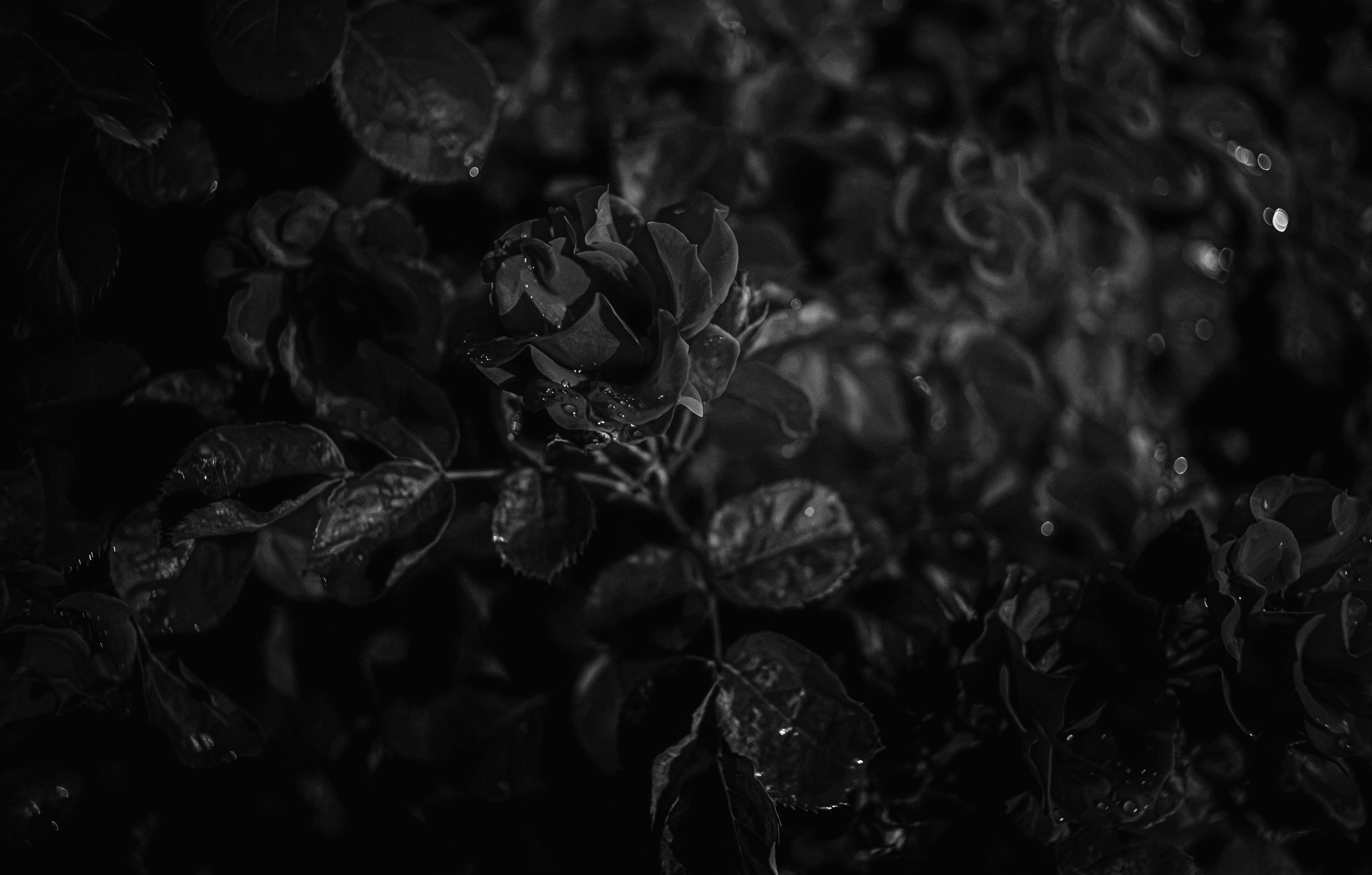
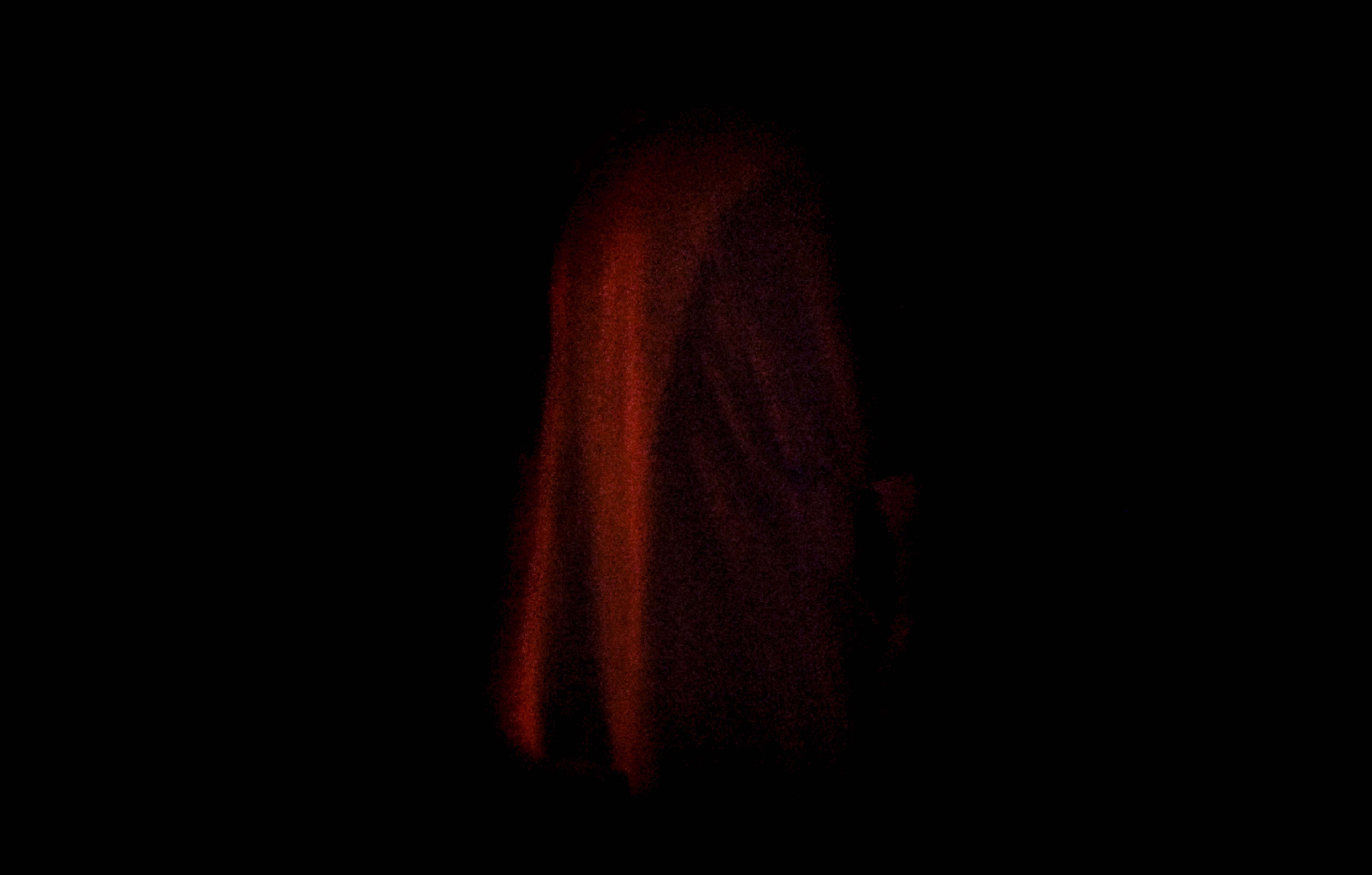
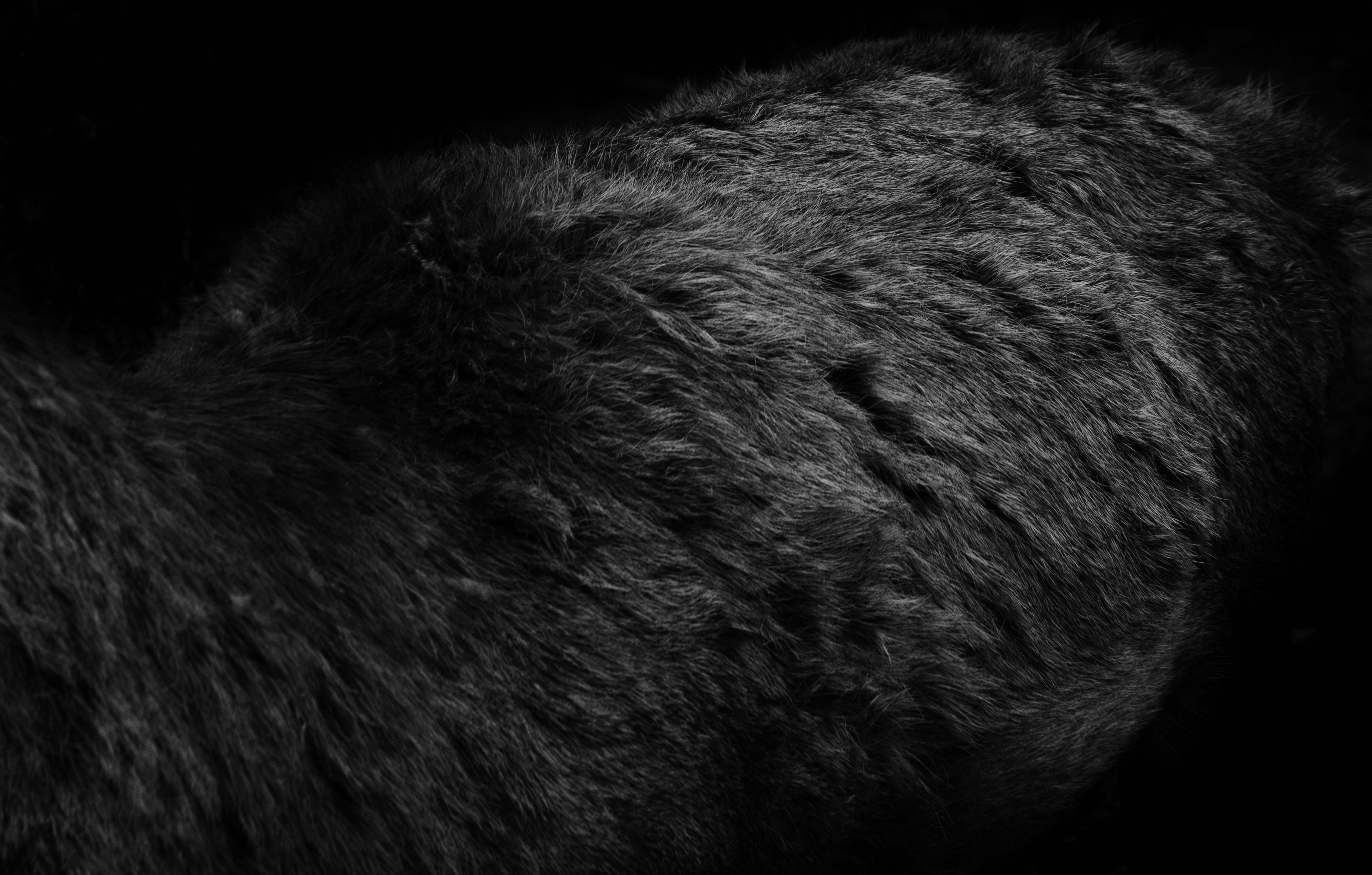
The photographs in this exhibition do not tell a particular story from beginning to end. Bodies, animals, fragments of nature, spaces, shadows, empty spaces, and ordinary scenes from everyday life come together not so much as parts of a narrative, but as different manifestations of the same state of mind. The relationship between the images is not explanatory but intuitive. One photograph does not complete the meaning of another; instead, it opens up a new question beside it.
For this reason, the exhibition is not so much an answer as a space for searching.
The shadow here is not simply a dark form created in the presence of light. It is the trace left by relationships, memories, expectations, and structures that existed before us. As we construct our own lives, we move alongside the shadows we carry with us from others, from our past, and from the world in which we live. The boundary between creating our own shadow and living in someone else’s is never entirely clear.
The photographs remain within this uncertainty.
They form images of a world moving between personal memory and shared experience, the body and its surroundings, freedom and obligation, belonging and drifting. The exhibition does not suggest that an individual can completely free themselves from the conditions that shape them. Instead, it asks whether it is possible to carve out a space of one’s own within those very conditions.
Perhaps the question is not how much of our lives we are able to choose, but how much of ourselves we are able to remain within the life that has been given to us.
İbrahim Karakütük
June, 2026