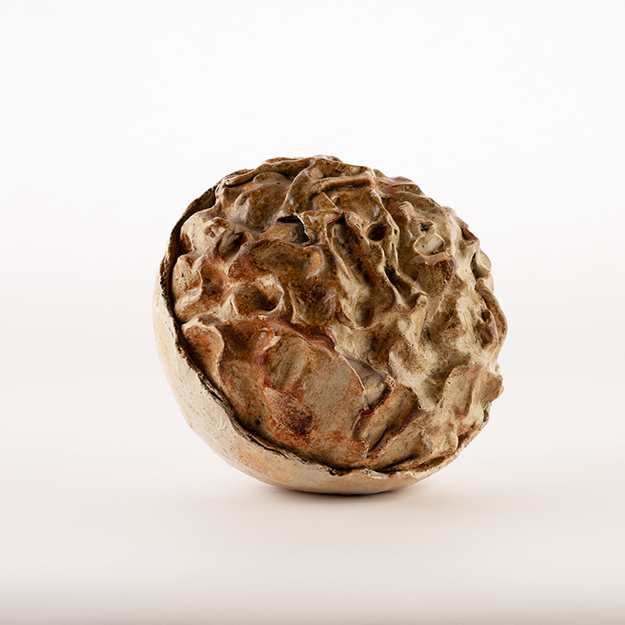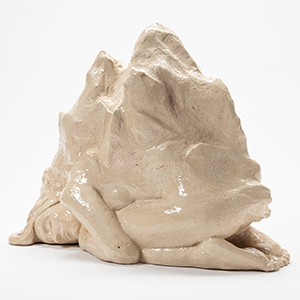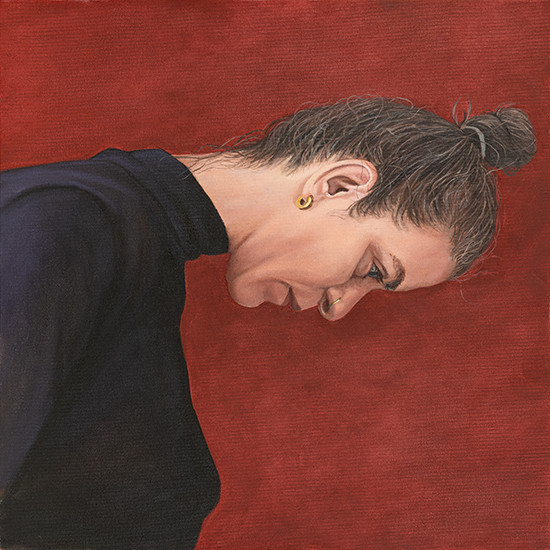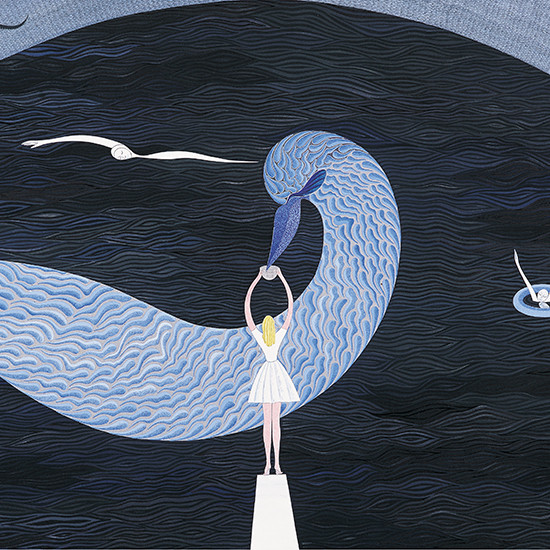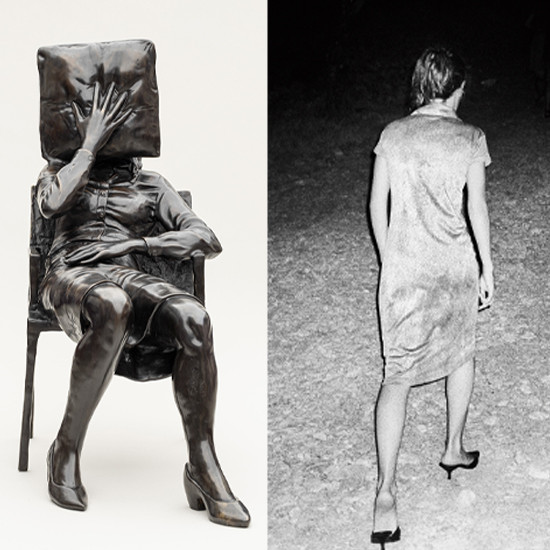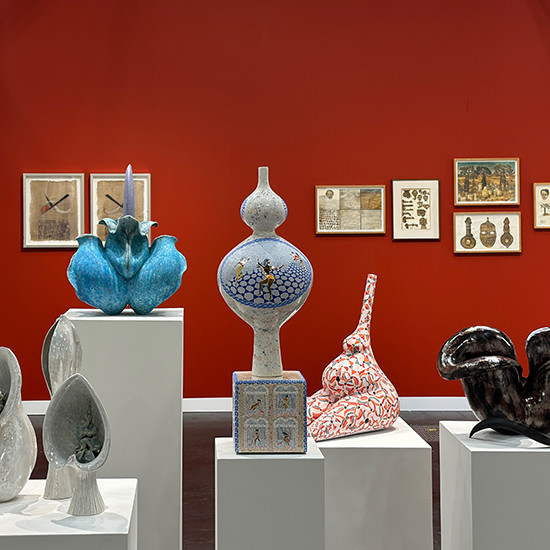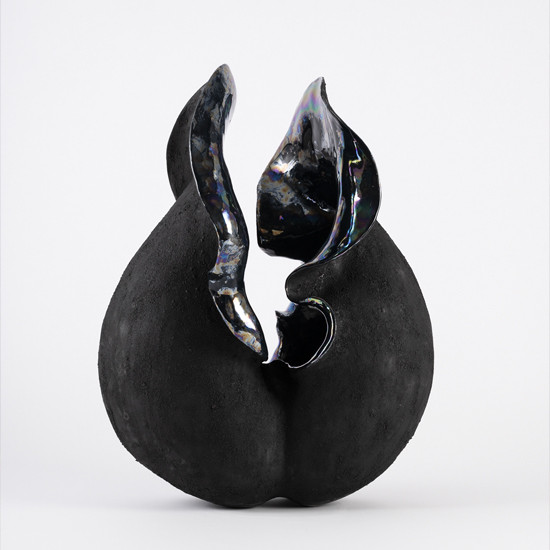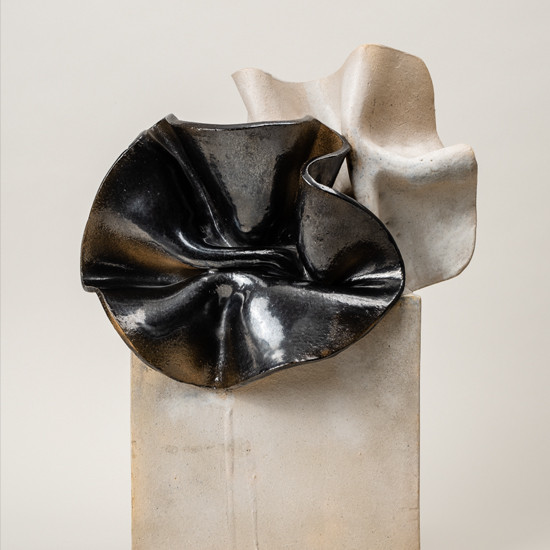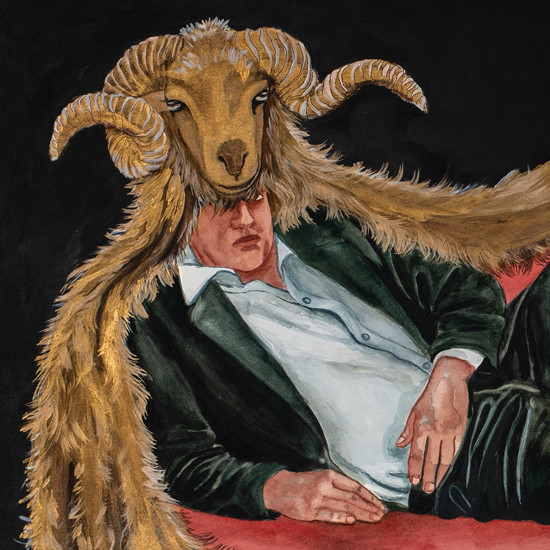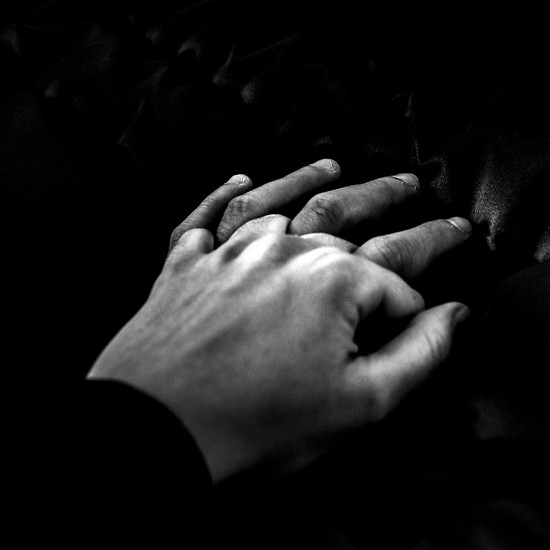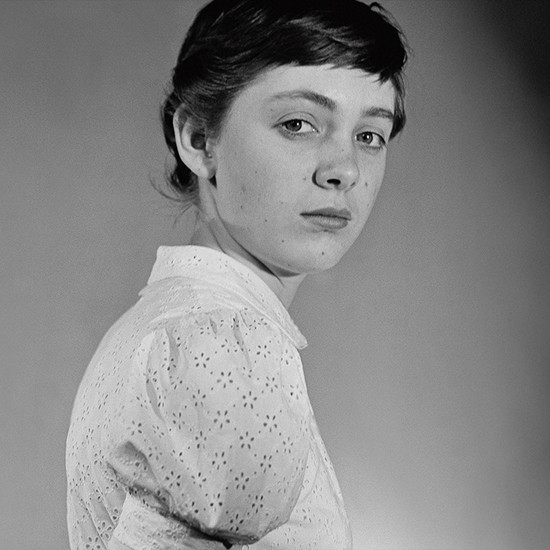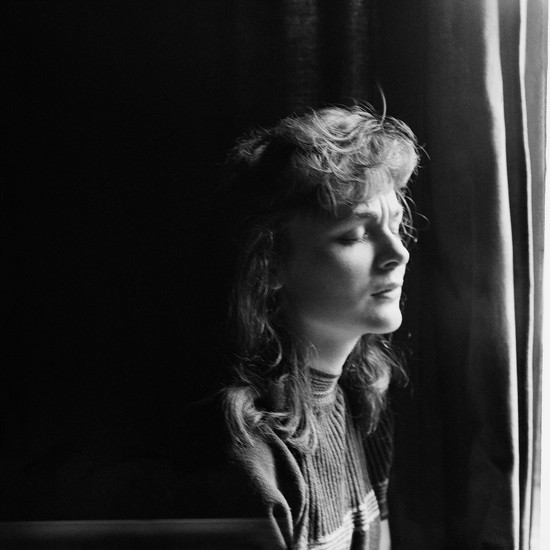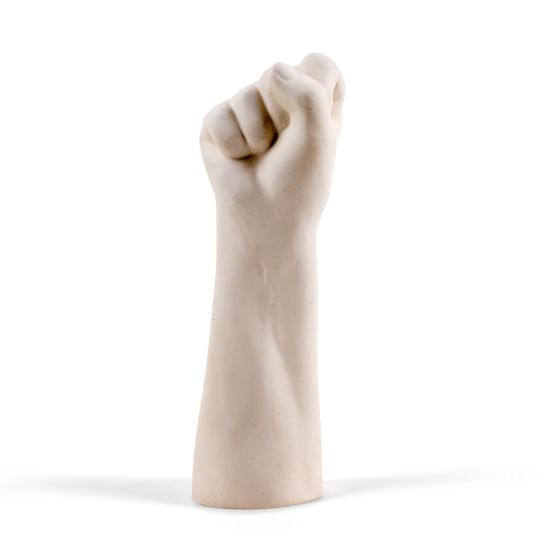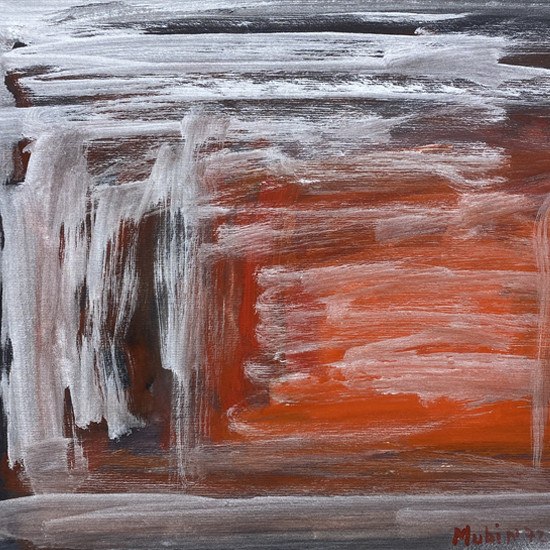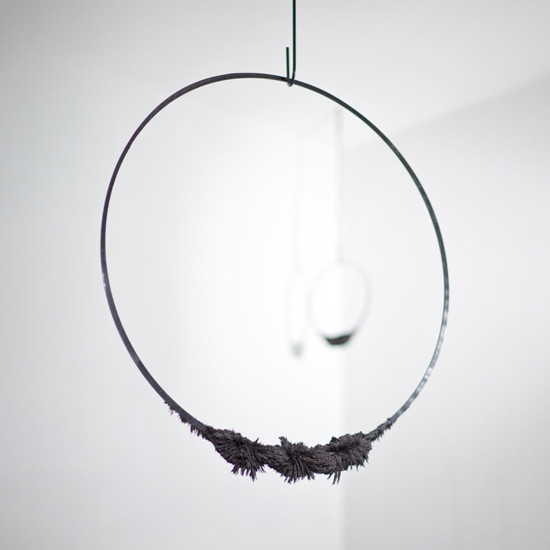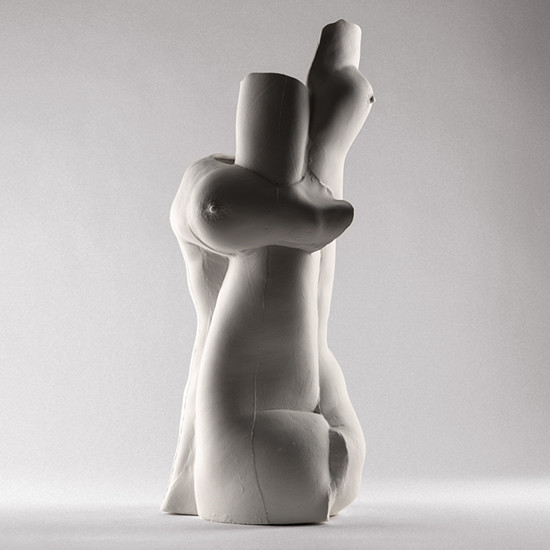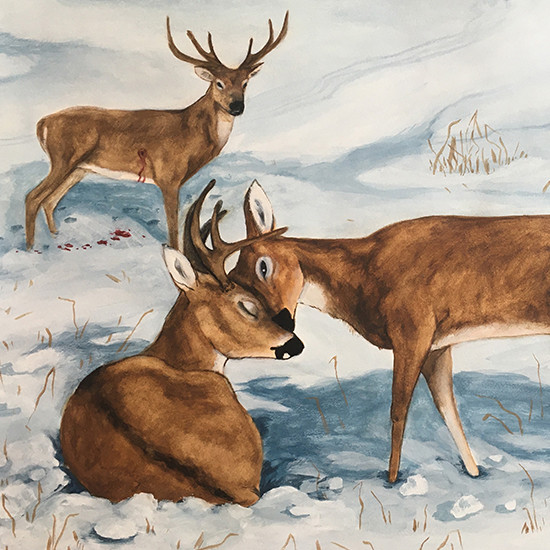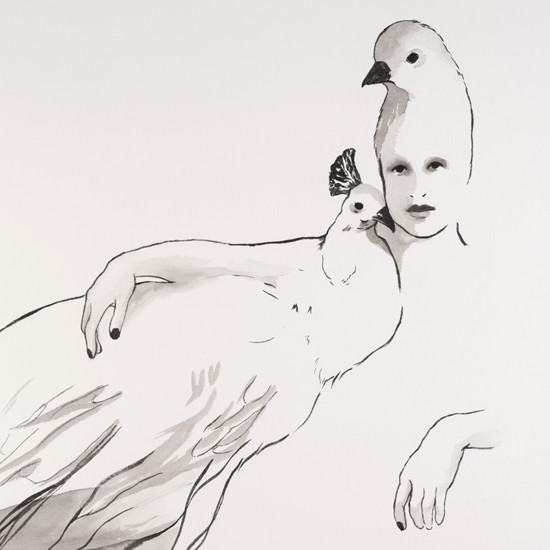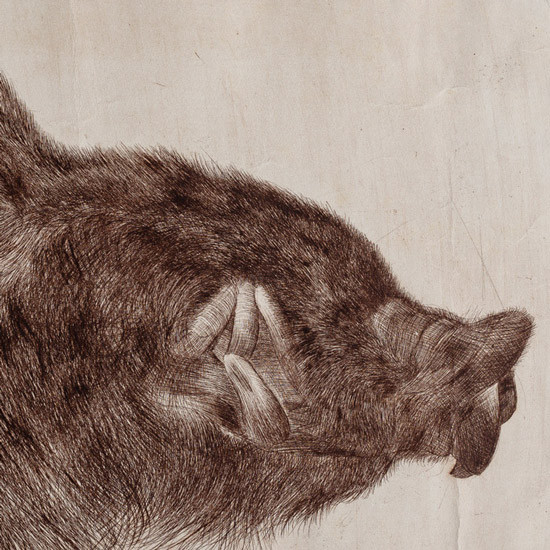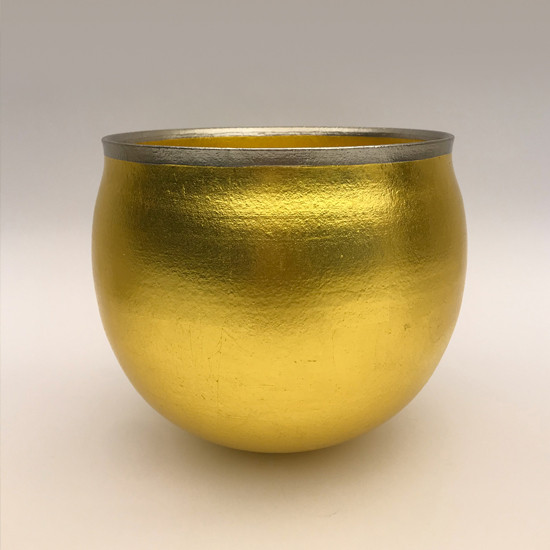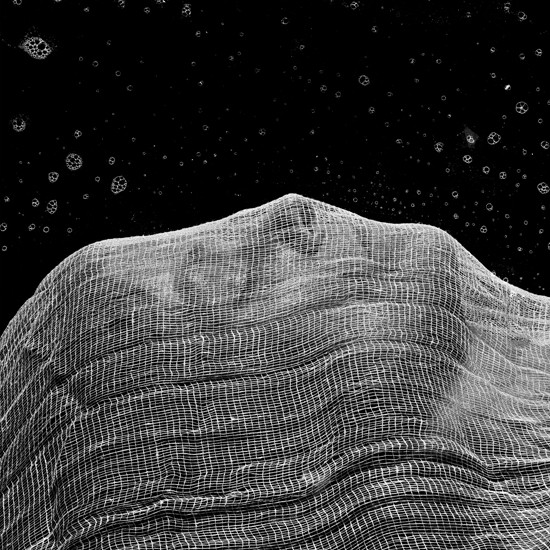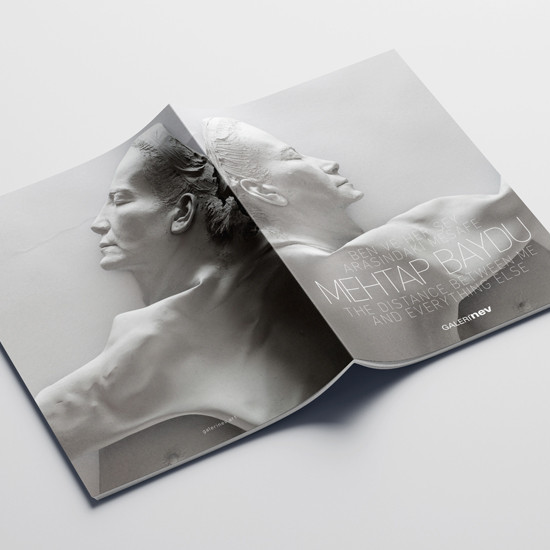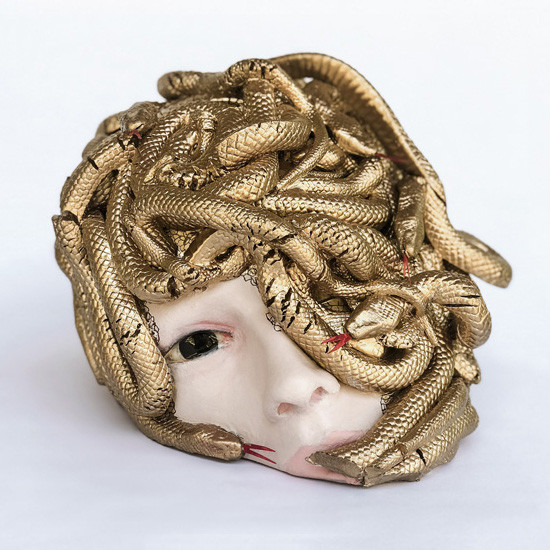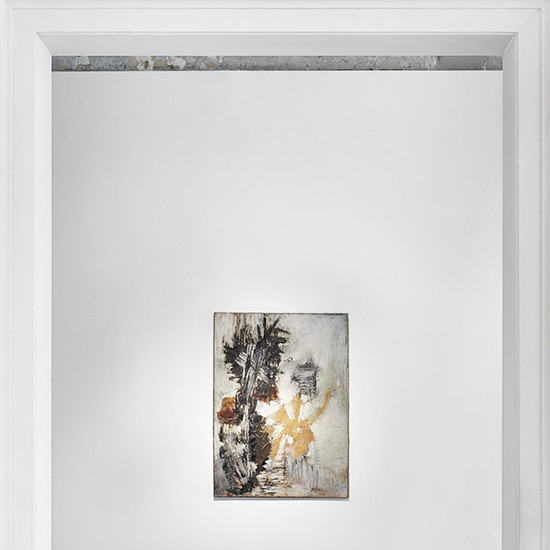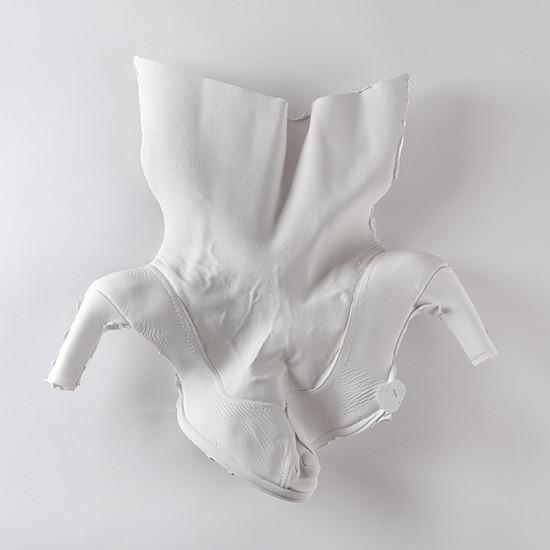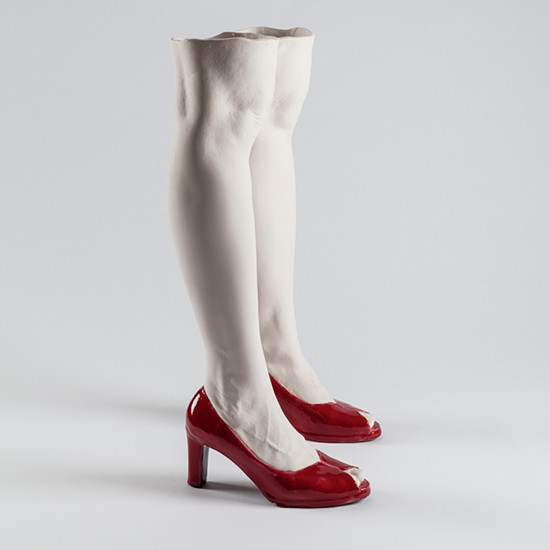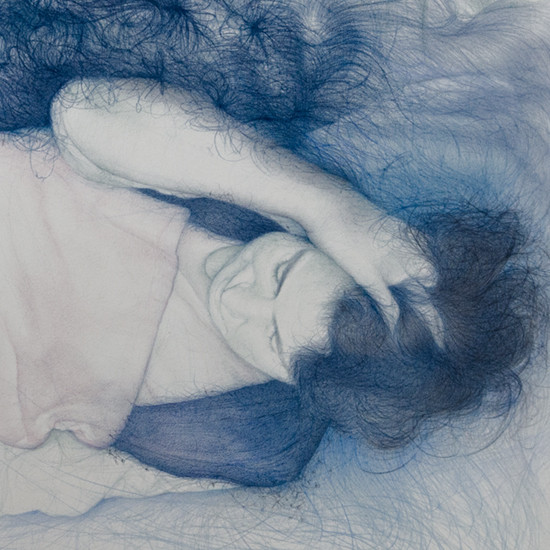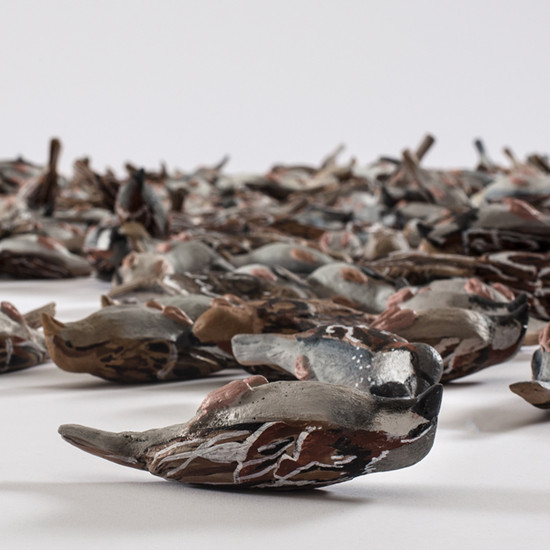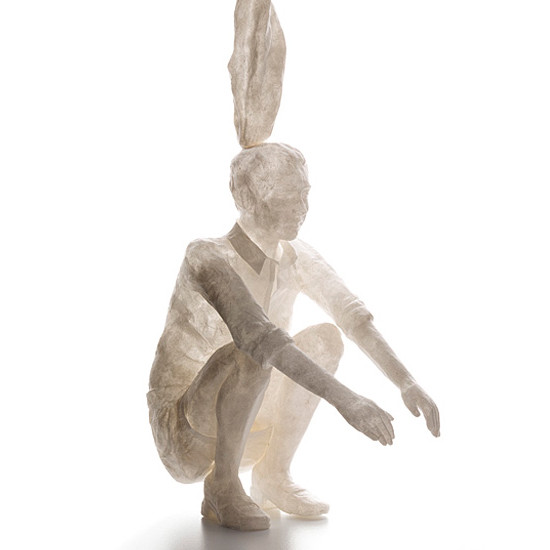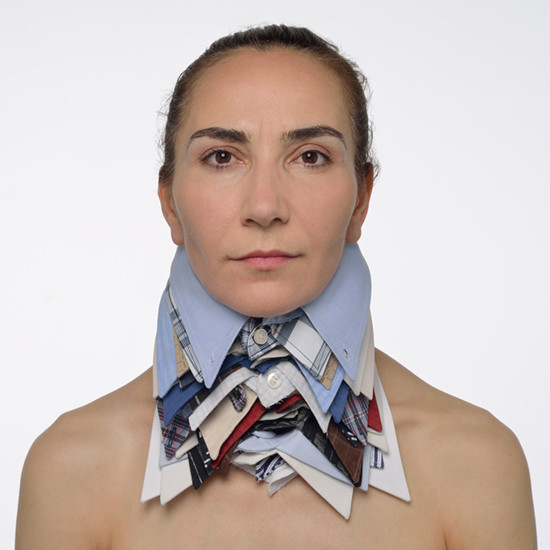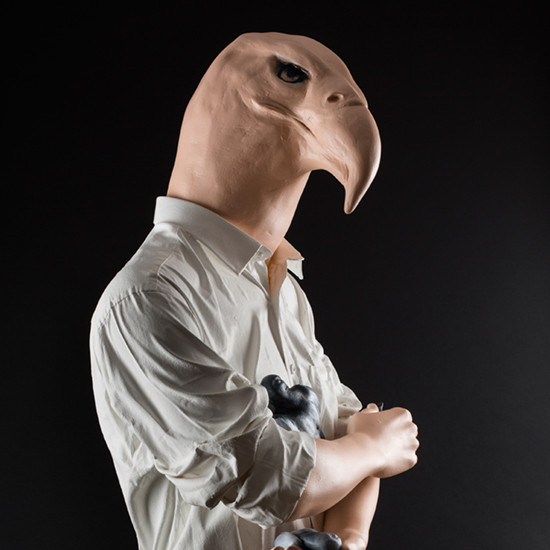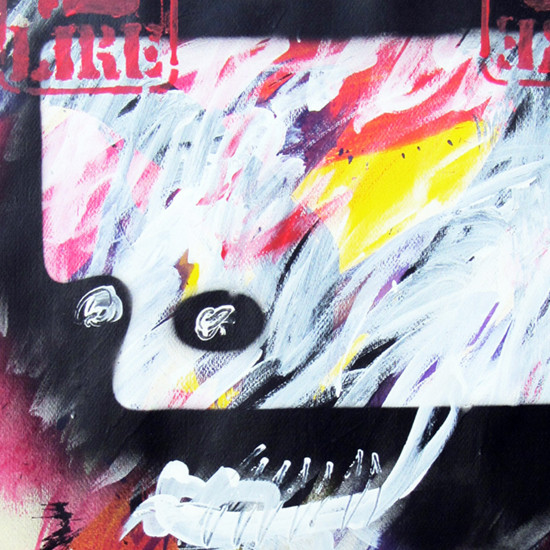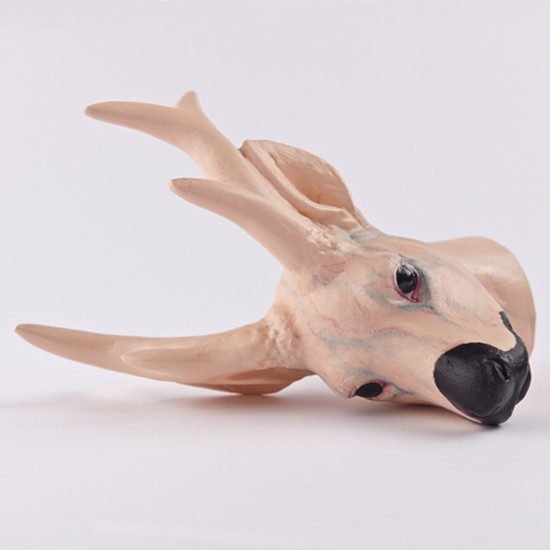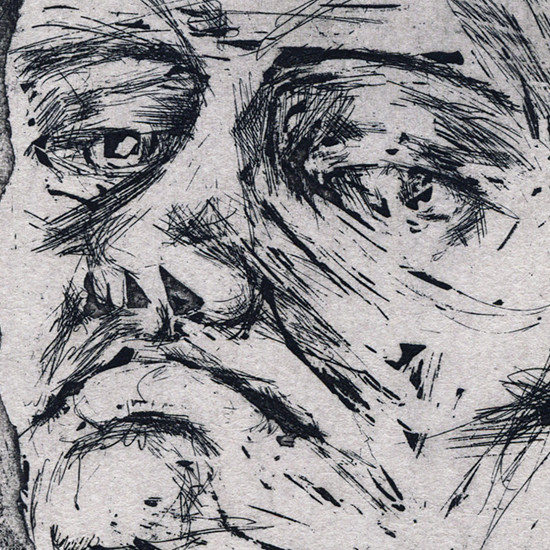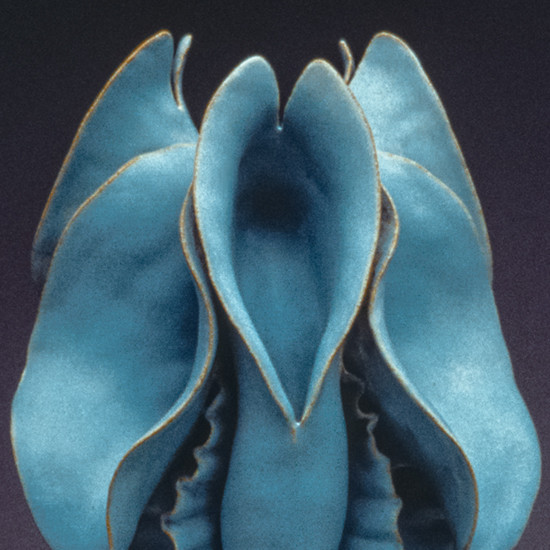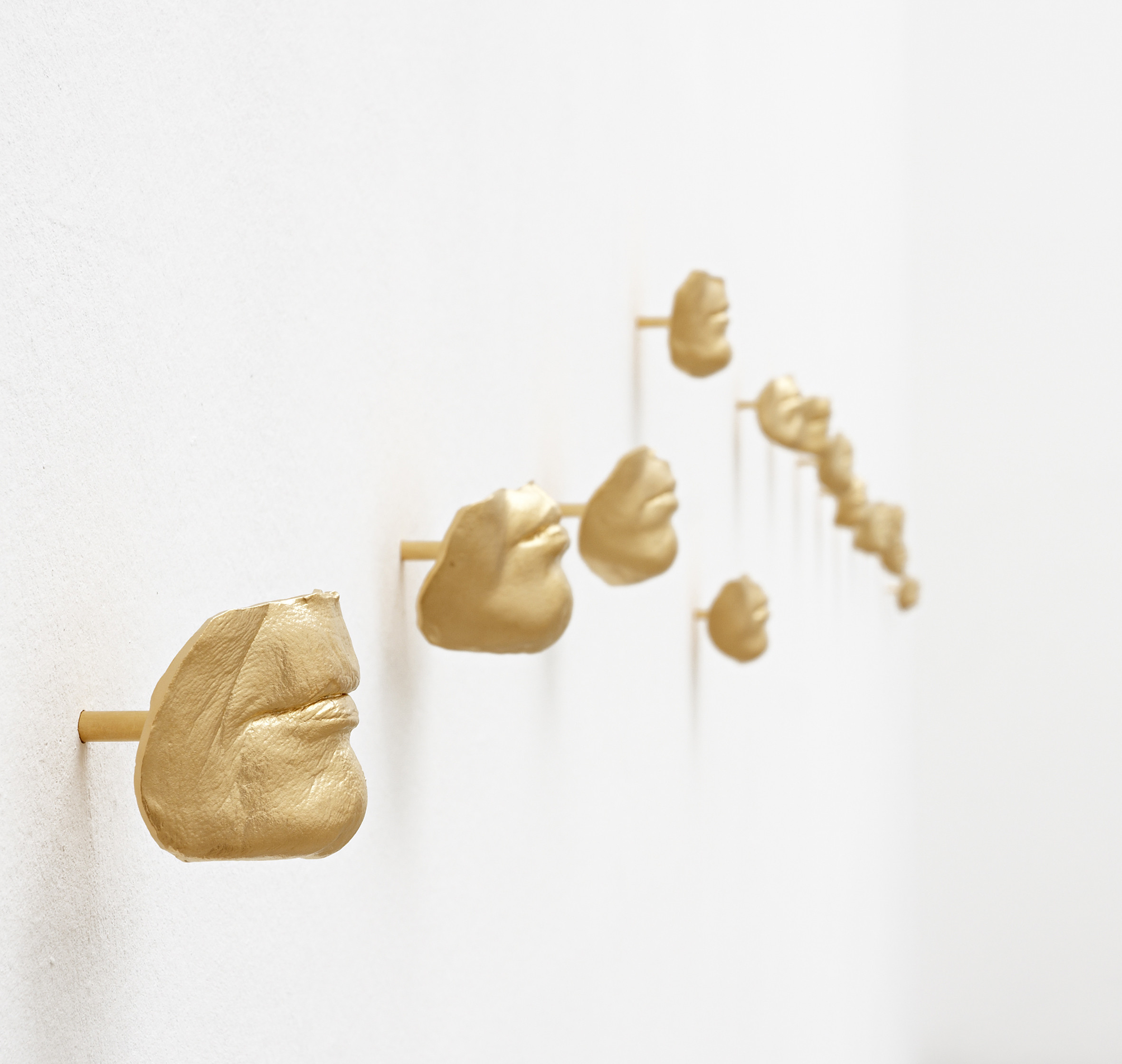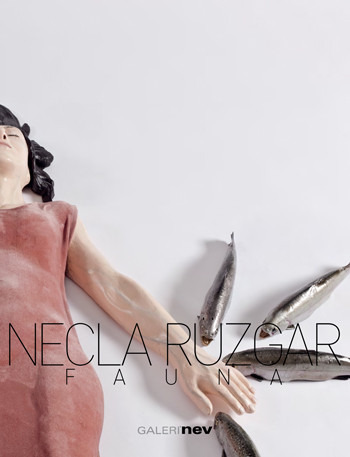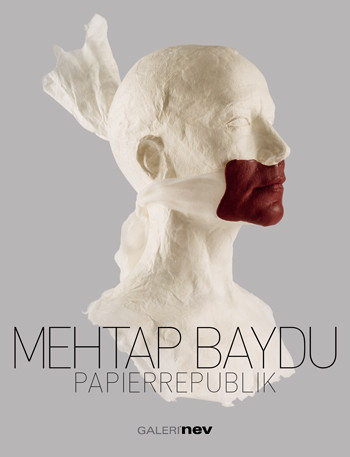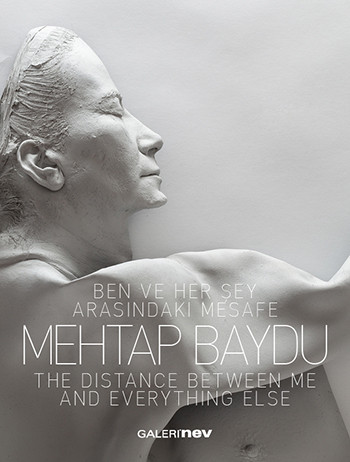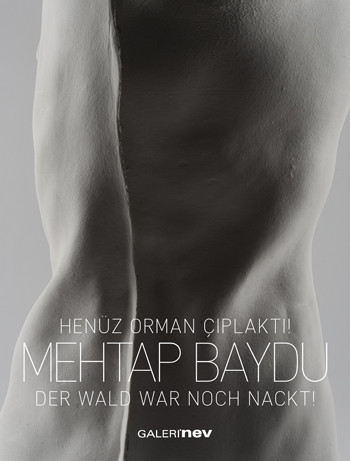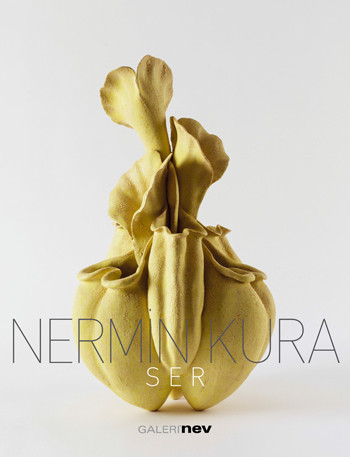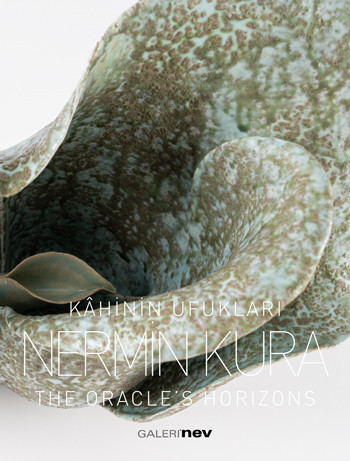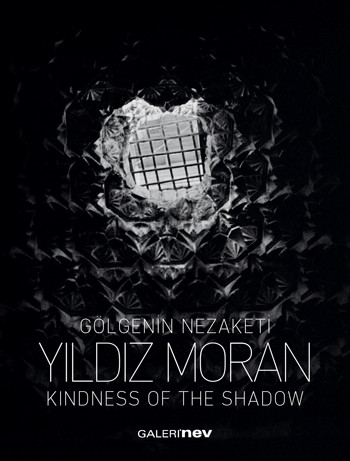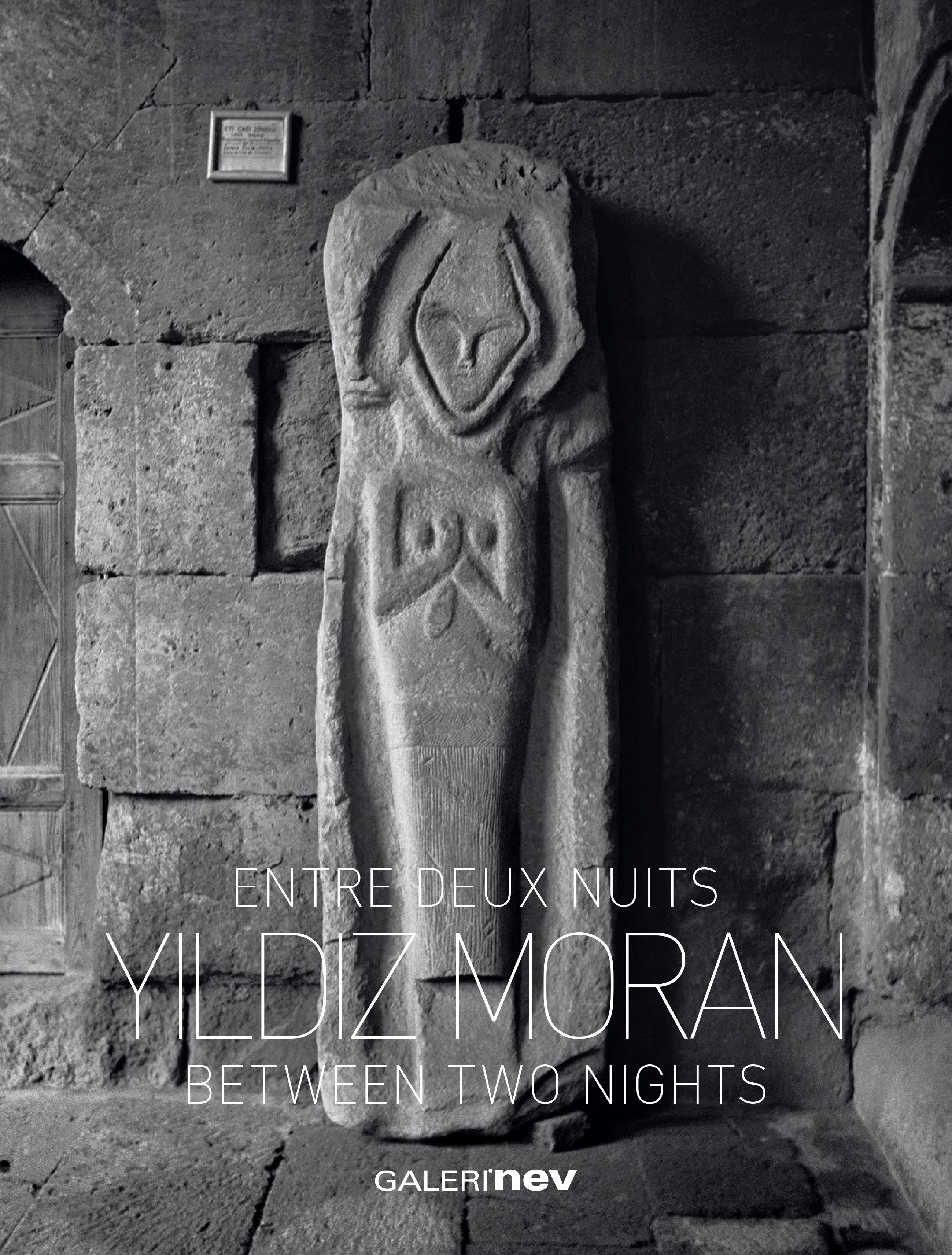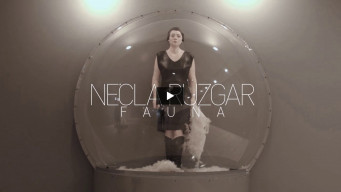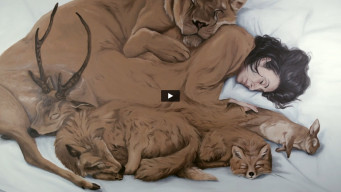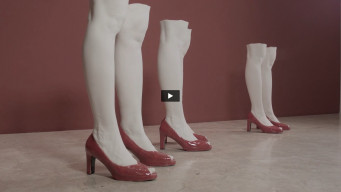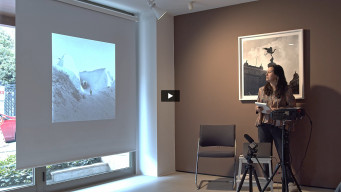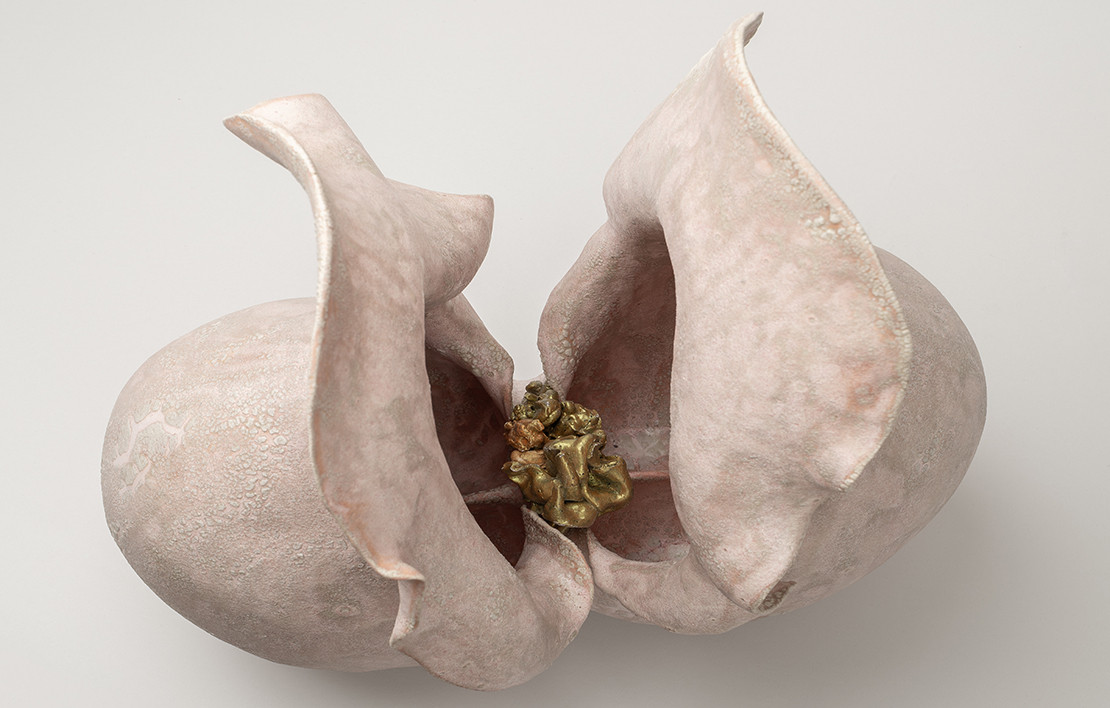
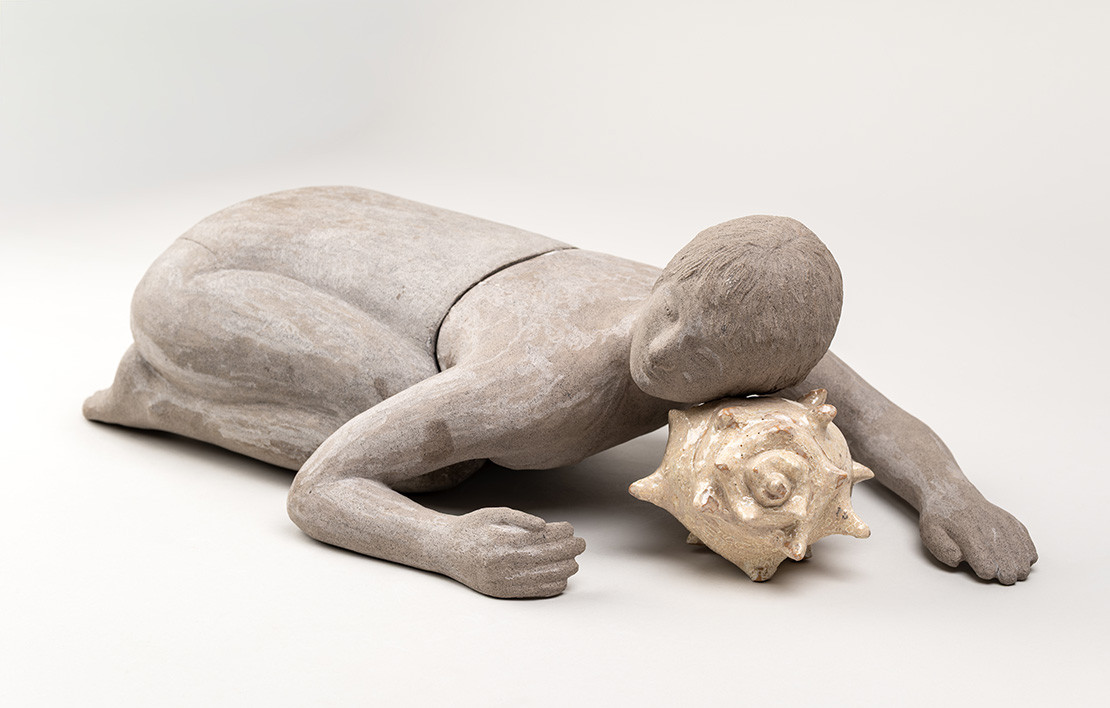
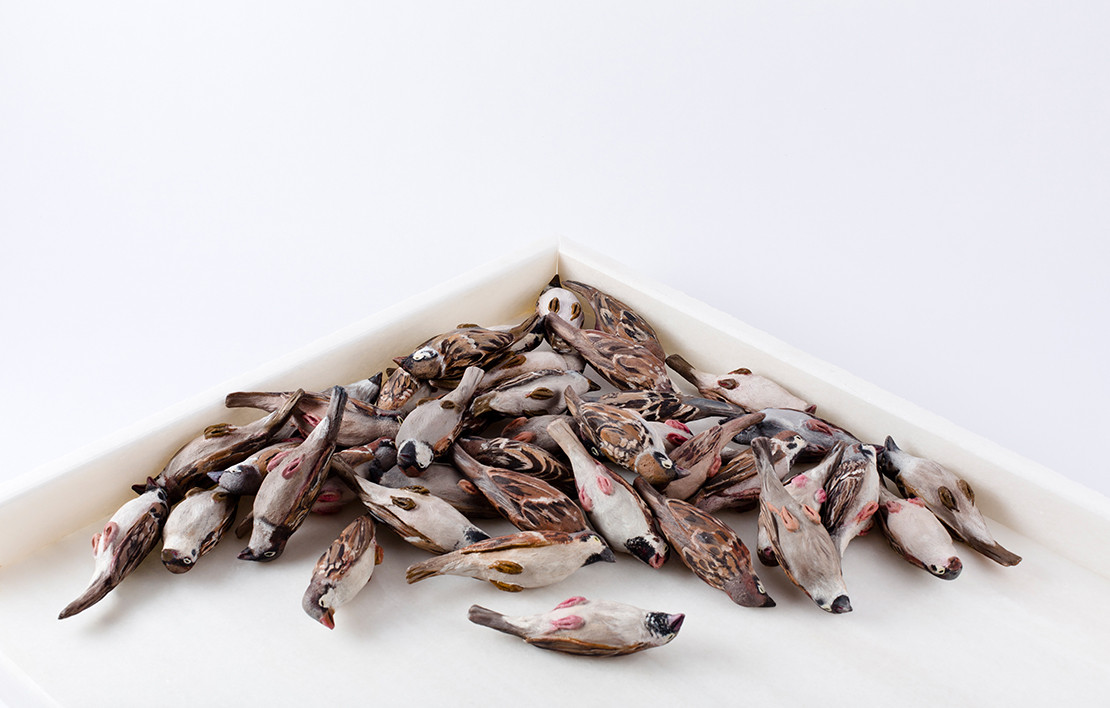
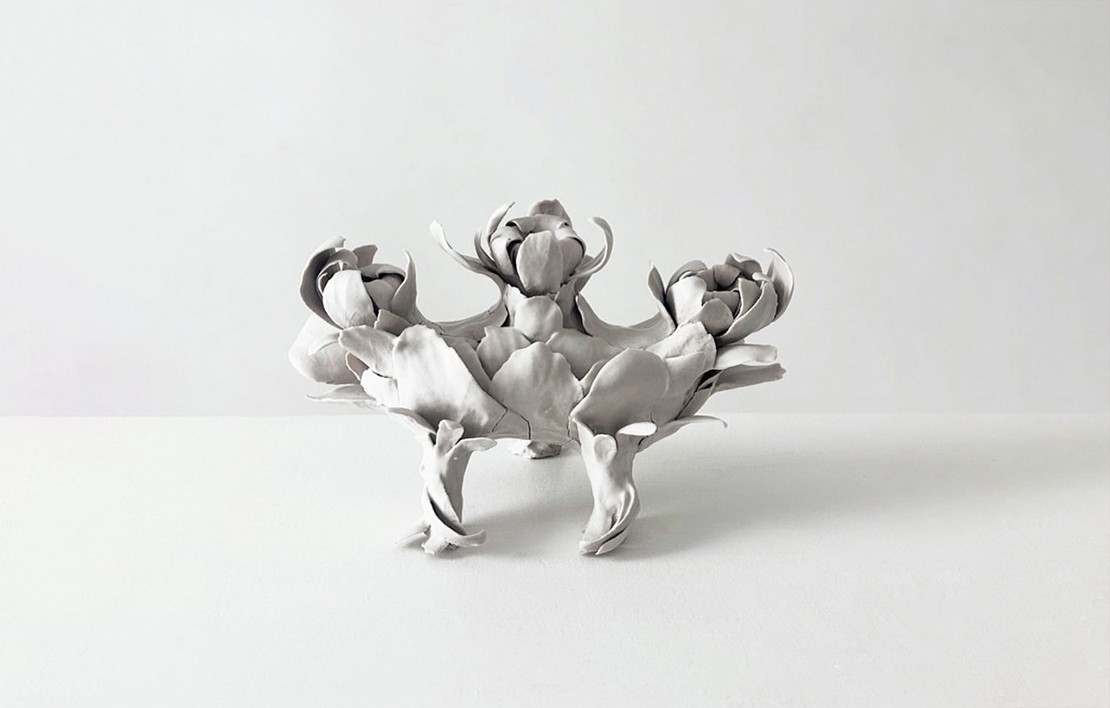
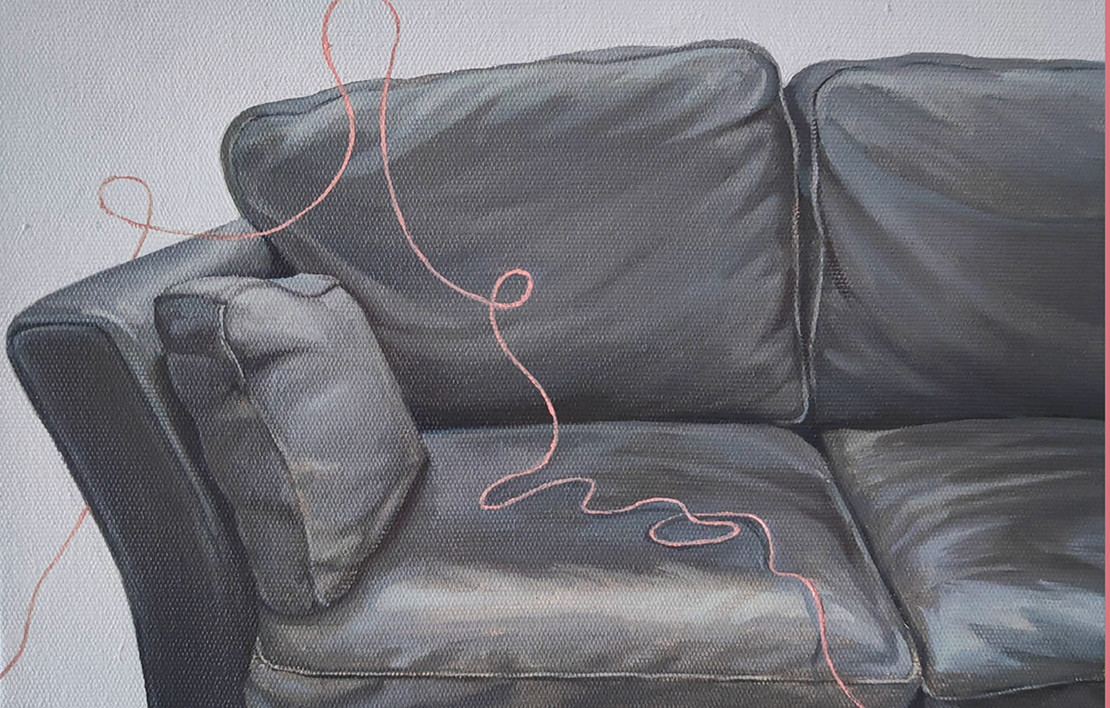
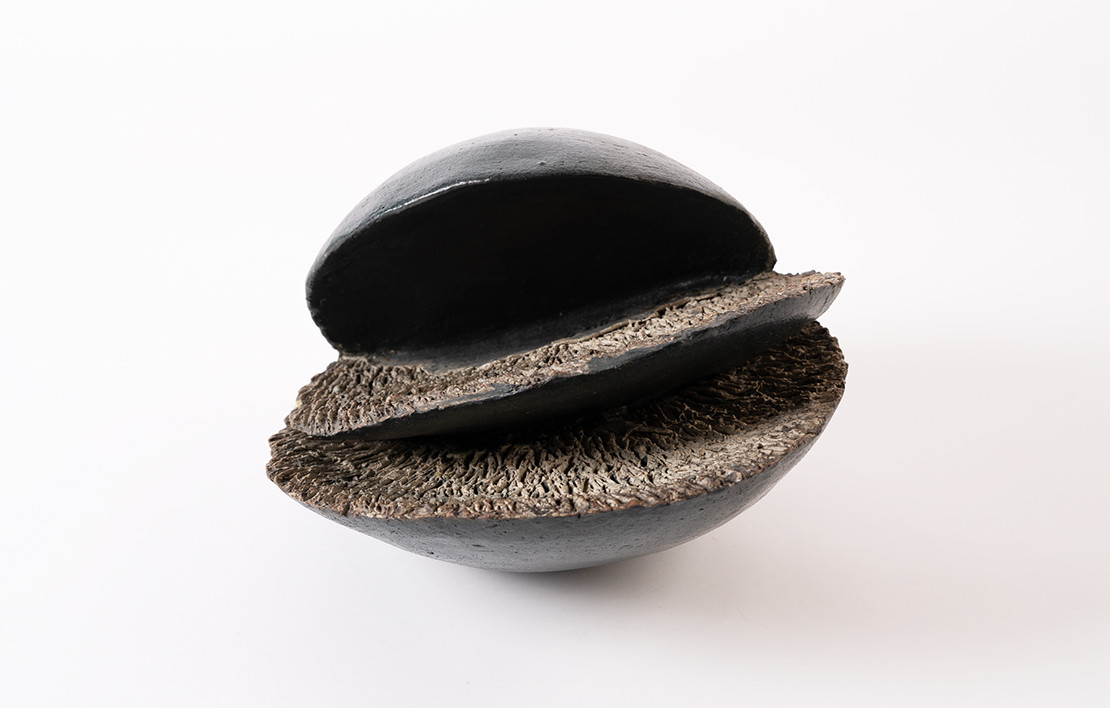
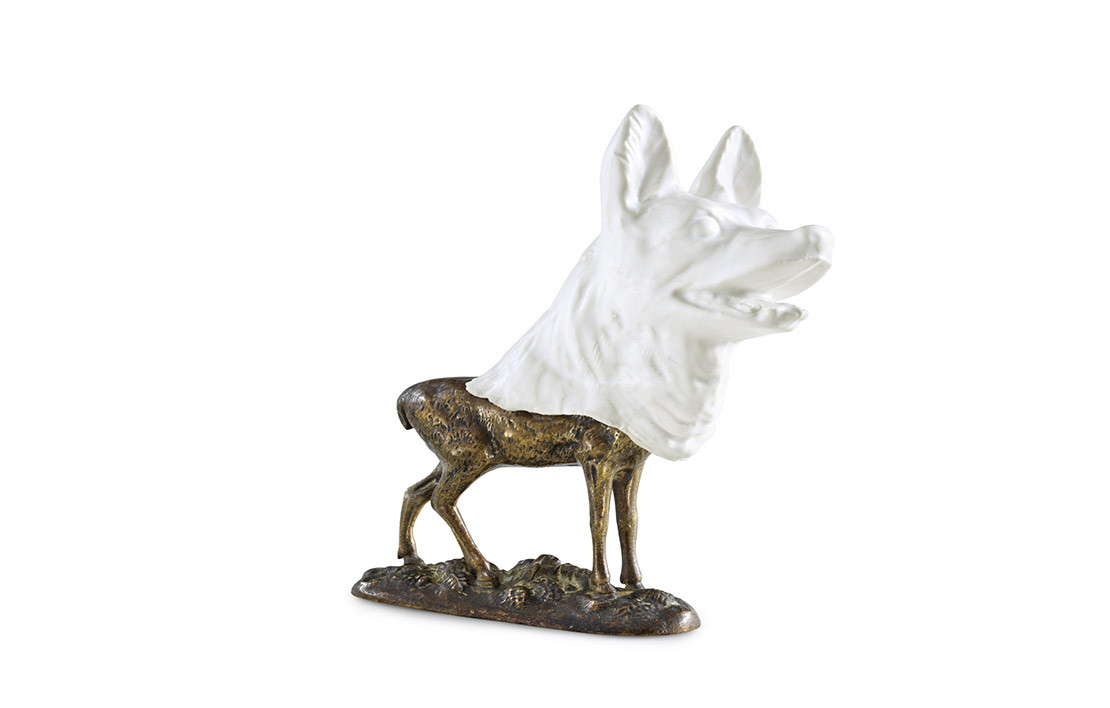
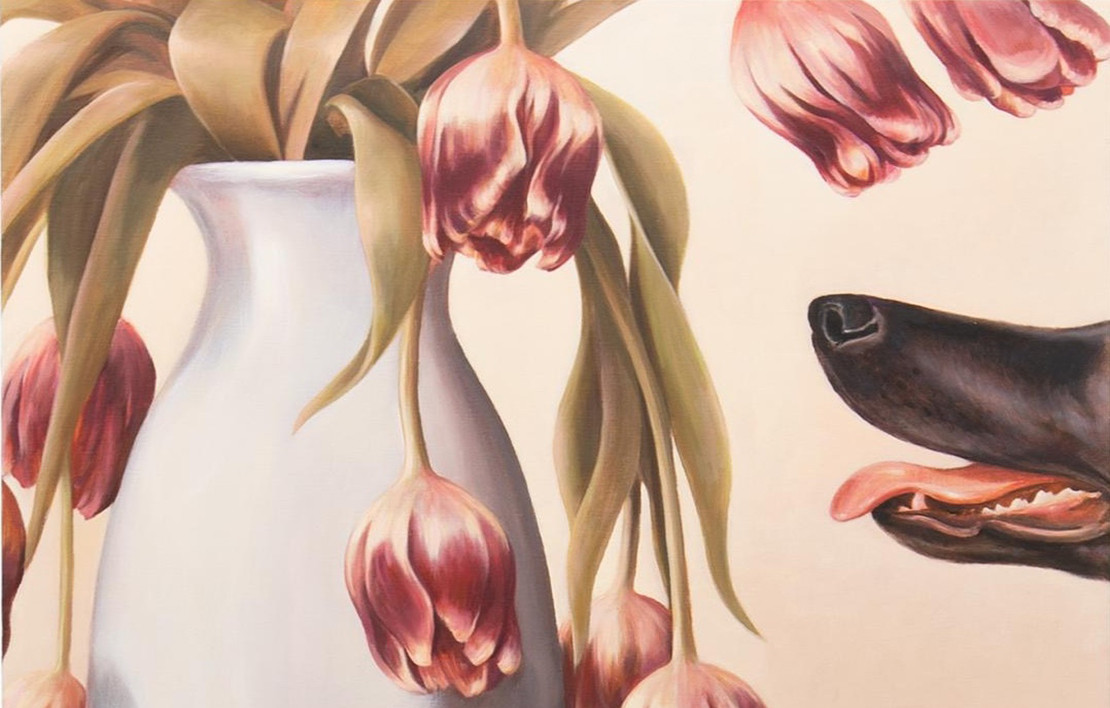
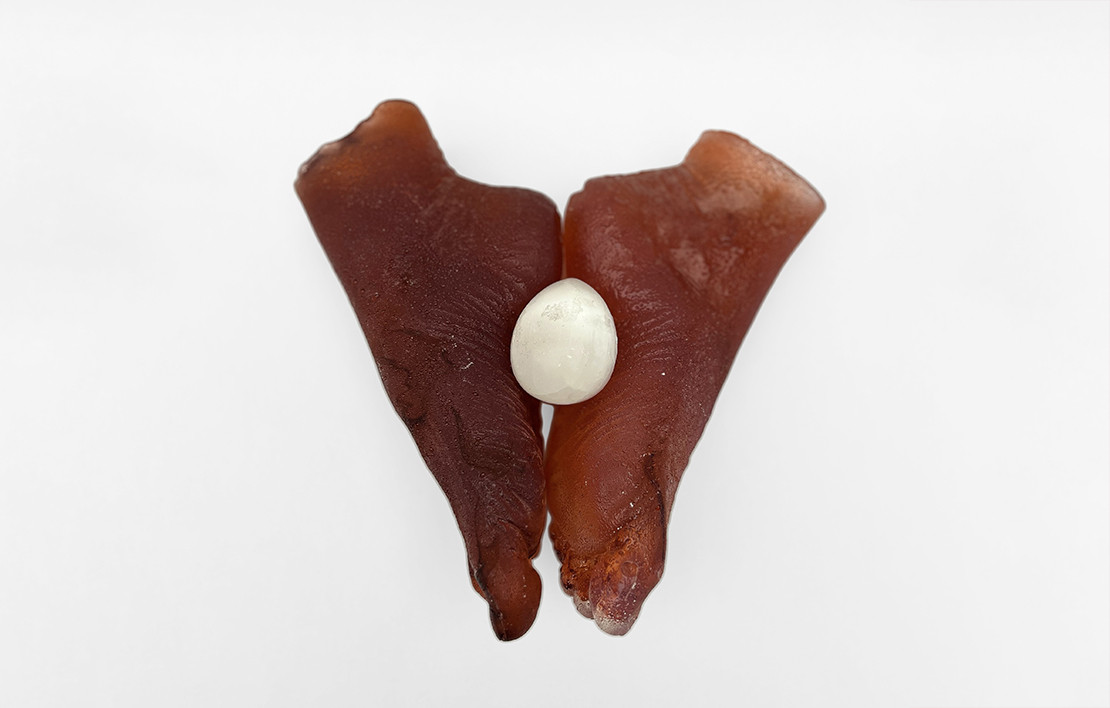
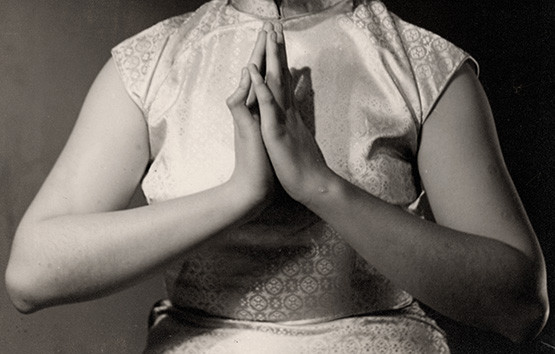
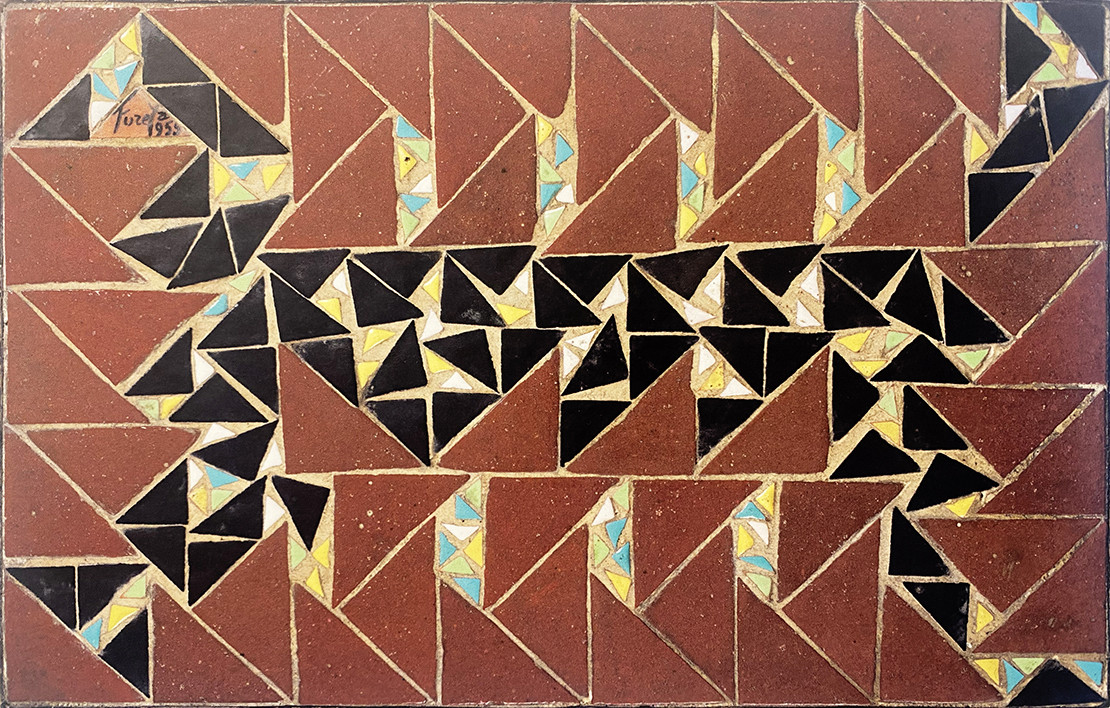
Between April 15 and May 23, 2026, Galeri Nev becomes the first gallery from Turkey to be invited to Milano Conceptual Fine Arts, which for the past fifteen years has extended residency invitations to contemporary art galleries around the world. Installed within the residency’s exhibition space, “Beasts and Pieces” brings together many women artists from Turkey and beyond who all share a close affinity with Galeri Nev. With a particular focus on names who work with or ponder on ceramics, the exhibition explores the possibilities of reassembling bodies that have been broken, wounded, scattered or fragmented. Through hybrid creatures and interspecies imaginaries, the works stage a world in which the boundaries between human and animal are deliberately blurred, if not entirely dissolved.
Artist women working across diverse materials extend ceramics onto canvas surfaces, into sculptural forms, spatial interventions and photography. The very nature of clay, prone to cracking, shattering, and yet capable of being reshaped, mirrors both the vulnerability of bodies and the resilience of nature, reflecting capacities for healing and endurance. These fragments also recall the healing force of objects once left in temples (ex-votos), imbued with wishes for protection and recovery. At the same time, figures that draw their strength from beyond the human world evoke protective spirits and mythological beings. Presented together upon a single table, the “pieces” may be read as the limbs of one expanded body, forming an almost collective entity. This sense of wholeness gestures toward art’s own power to resist what has been severed, estranged, divided or torn apart within the art world itself.
Rather than uniformity, the exhibition embraces multiplicity, carrying an aesthetic of abundance in which practices from different generations come into intimate contact. The visual and conceptual richness of these independent works opens pathways to new possibilities. When brought together, they illuminate not only Galeri Nev’s forty-year long institutional history, but also the many alternative art histories of art that might yet be written in Turkey.